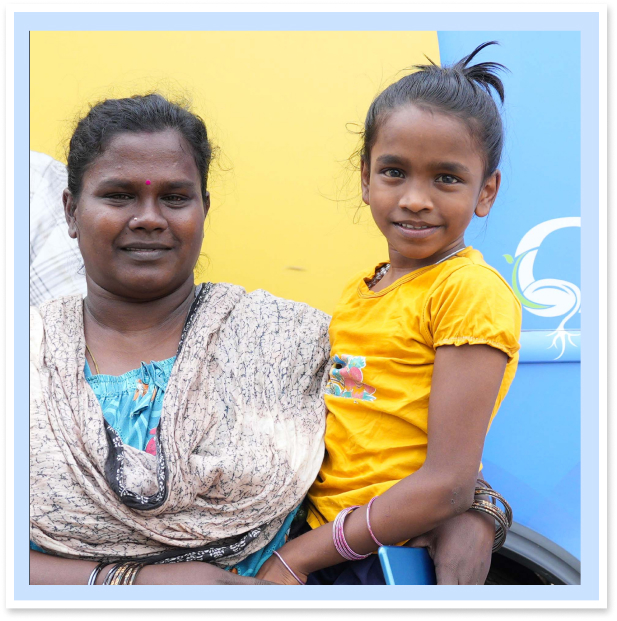
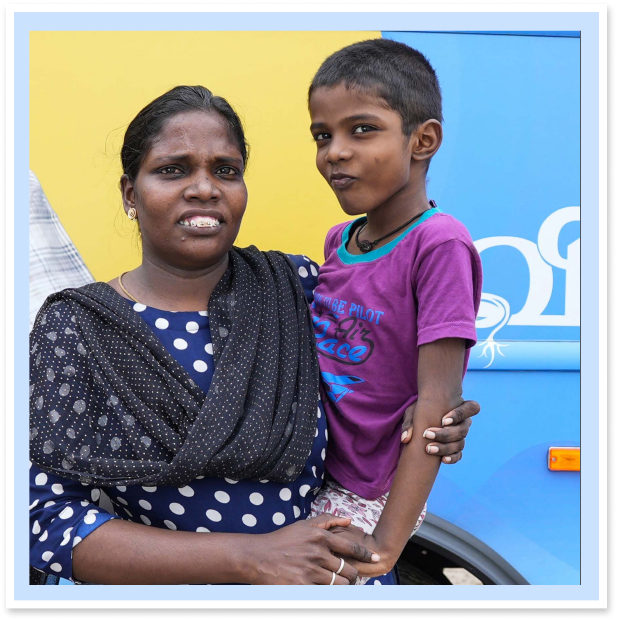
Every March 3rd, World Hearing Day aims to raise awareness about hearing loss and promote ear and hearing care worldwide. The theme for World Hearing Day 2024, “Hearing Health for All,” underscores the critical importance of early detection, prevention, and treatment of hearing loss. This year’s focus highlights underserved communities, particularly in the slums and rural areas of India, where hearing care is often limited. This is a critical factor, and data on our service users ( Service users are children undergoing therapy with Project Vithai) throws light on the criticality of spreading awareness on the same.
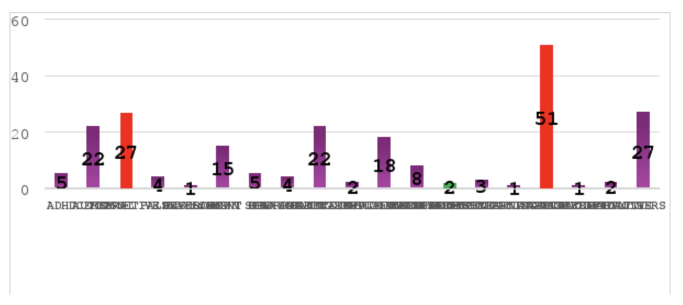
Data on disability status of our Service Users – June 2024 Update.
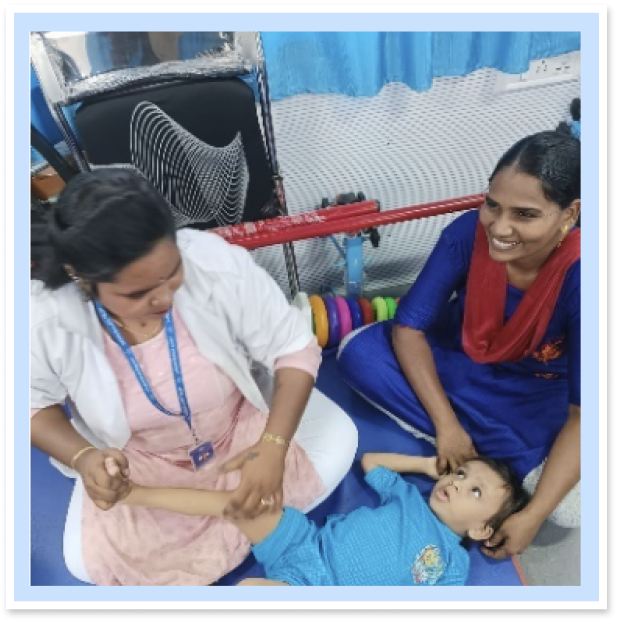
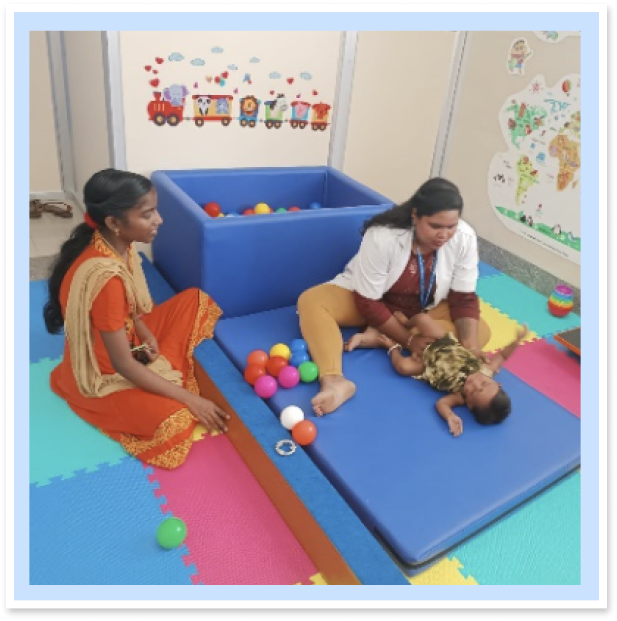
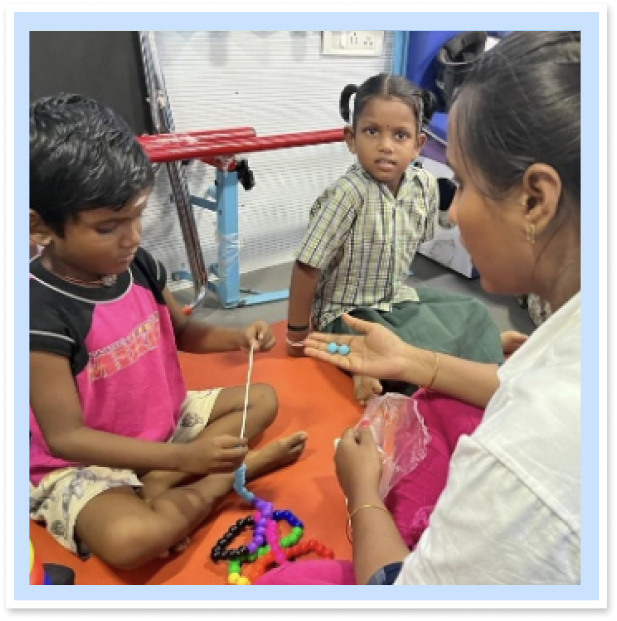
23% of our Service users have some or other form of Speech and Language disability and undergoing speech therapy with us. Most of them are under the age group 7 years, and their condition has considerably improved since we intervened early and have started going to regular schools. This motivated us to launch a massive hearing awareness program and hearing screening for the Anganwadi children ( under the age group of 5 years) in New Old Washerman pet, one of the oldest slum areas in North Chennai.
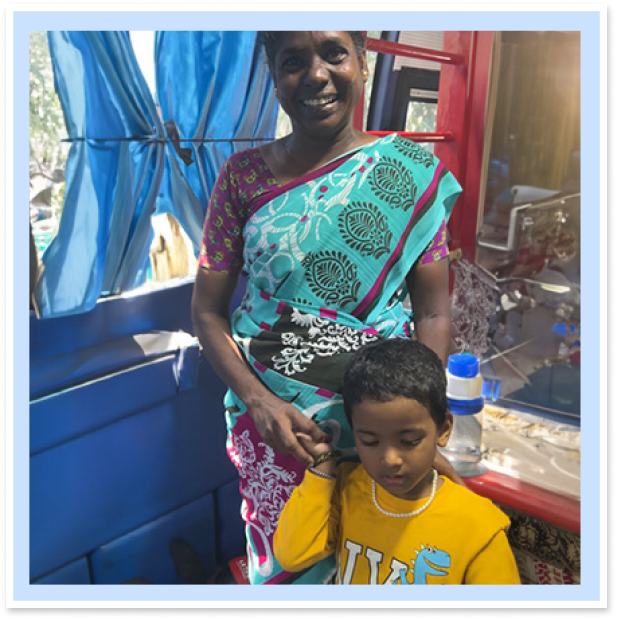
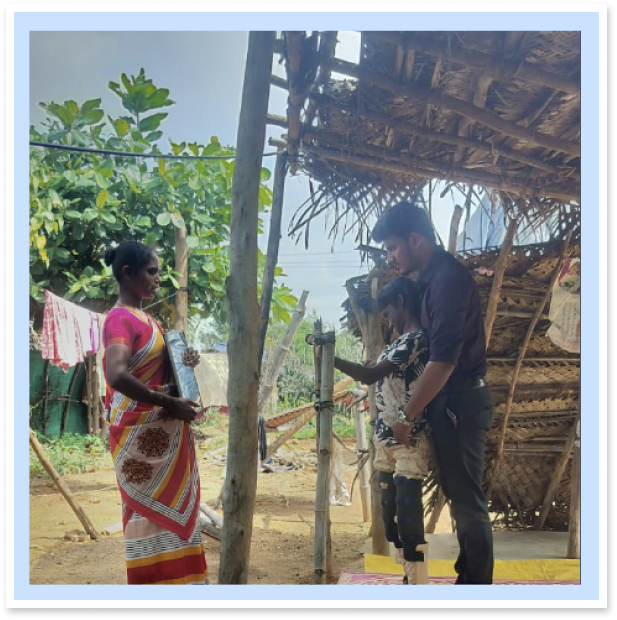
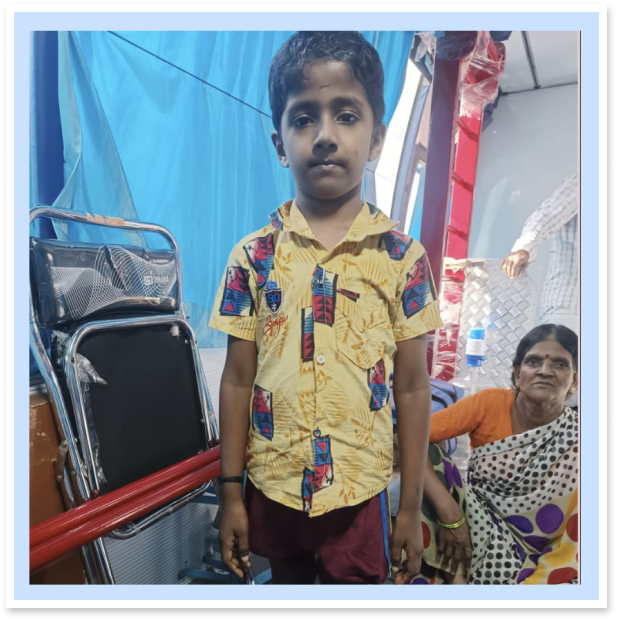
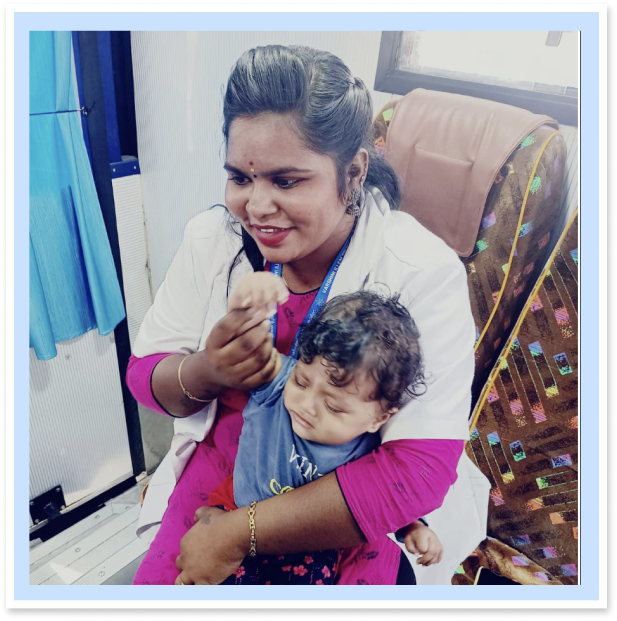
In association with Madras ENT Research Foundation – Institute for Speech and Hearing (www.merfish.org), we organised an Awareness Campaign on hearing health and the availability of treatment options. This awareness campaign included a hearing screening for 85 Children from five Anganwadis in Old Washermanpet,
The Campaign touched on some critical points for the knowledge of parents, answering some Whys to do Early hearing intervention
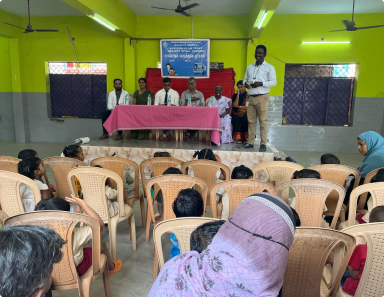
1. Early Detection for optimal development of the child
Early identification of hearing and language issues allows for timely intervention, which is critical for a child’s cognitive, social, and language development. Addressing these issues immediately can prevent speech and language acquisition delays and support overall developmental milestones. The importance of a Cochlear implant was stressed, and it was explained that it’s available free of cost as a governmental scheme in Tamil Nadu. Also stressed the importance of how many studies have shown that children who receive cochlear implants before they turn two have significantly better hearing results than children implanted at an older age. So, early intervention is critical.
2. Enhanced Academic Performance
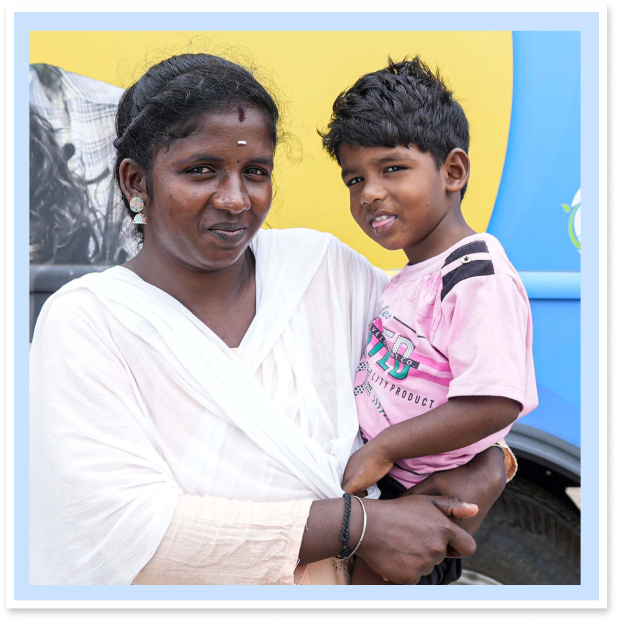
In the majority of cases in the Project ViThais screening experience, parents refuse to accept their children’s loss of hearing due to social stigma, and only when they struggle at school, do they come back for therapy. Children with undiagnosed hearing or language issues often struggle with academic performance due to difficulties understanding spoken instructions, participating in discussions, and reading. Early identification ensures that they receive the necessary support to succeed academically.
3. Improved Social and Emotional Well-Being
Hearing and language issues can lead to social isolation and frustration due to communication difficulties. Early identification helps mitigate these challenges by providing tools and strategies to improve communication and enhance social interactions and emotional well-being.
4. Parental and Caregiver Support Early identification provides parents and caregivers with a clear understanding of their child’s needs and the steps they can take to support their development. It also empowers them with resources and strategies to foster a nurturing environment conducive to their child’s growth.
5. Cost-Effective Management
Addressing hearing and language issues early can be more cost-effective than managing the consequences of delayed identification, such as academic remediation or psychological counselling. Early treatment reduces the need for more intensive and expensive interventions later in life.